
The Toyota 2TR engine, officially known as the 2TR-FE, is a 2.7-liter four-cylinder gasoline engine found in Toyota pickups, SUVs, and commercial vehicles. Since its introduction in 2004, it has become a familiar choice in models such as the Hilux, Tacoma, Hiace, and Fortuner.
Its appeal is fairly straightforward: a sturdy cast-iron block, a timing chain, and naturally aspirated power delivery. Those features make the 2TR-FE a practical engine for vehicles used in passenger transport, deliveries, and other demanding work.
But like any engine, it has limitations—and not every 2TR-FE version is interchangeable. Here’s what owners, mechanics, and replacement-engine buyers should know.
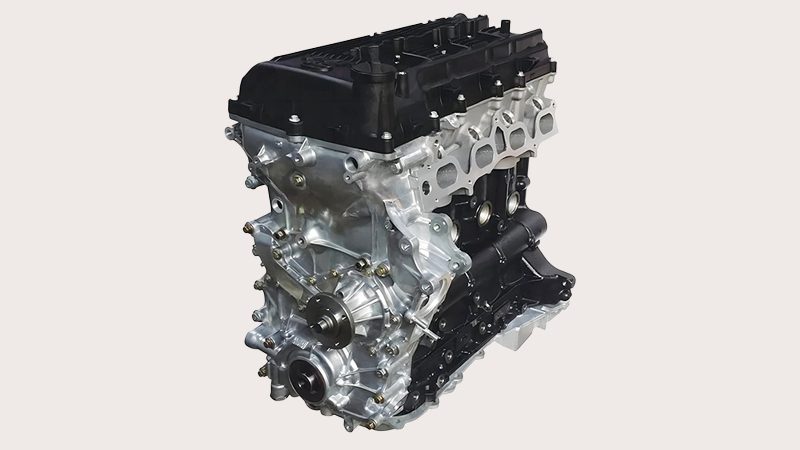
What Is the Toyota 2TR-FE Engine?
Introduced in 2004, the 2TR-FE belongs to Toyota’s TR engine family and succeeded the older 3RZ-FE in several applications. It’s a 2.7-liter inline-four gasoline engine with dual overhead camshafts (DOHC), 16 valves, electronic fuel injection, and variable valve timing.
The cast-iron cylinder block and aluminum cylinder head are familiar features of Toyota’s utility engines. A timing chain drives the camshafts, while balance shafts help control vibration. Early versions use VVT-i on the intake side; later versions in selected markets use Dual VVT-i on both intake and exhaust camshafts.
The 2TR isn’t an engine built for impressive power figures. Its value lies in delivering usable performance in vehicles that may spend years on busy roads or working routes. Proper servicing is still essential, particularly when it comes to oil and cooling-system maintenance.
Toyota 2TR-FE Engine Specifications
| Specification | Details |
|---|---|
| Engine Code | 2TR-FE |
| Displacement | Approximately 2.7L (commonly listed as 2,694 cc) |
| Configuration | Naturally aspirated inline-four, gasoline |
| Cylinder block / head | Cast iron / aluminum alloy |
| Valvetrain | DOHC, 16 valves |
| Bore × stroke | 95.0 × 95.0 mm |
| Fuel system | Electronic multiport fuel injection |
| Valve timing | VVT-i or Dual VVT-i, depending on version |
| Timing drive | Timing chain |
| Compression ratio | Version-dependent; examples include 9.6:1 and 10.2:1 |
| Power examples | 111 kW (about 149 hp) in a 2004 Hiace; 122 kW (about 164 hp) in a later Australian Hilux |
| Torque example | 245 Nm at 4,000 rpm in the later Australian Hilux |
Toyota’s 2004 Hiace specifications list 111 kW (151 metric PS), while Toyota Australia’s later Hilux specifications list 122 kW and 245 Nm. The figures shouldn’t be mixed as though they describe a single universal engine version. For buyers ordering replacement units, the original vehicle and engine specification matter as much as the 2TR-FE name.
VVT-i vs. Dual VVT-i: Why the Version Matters
One of the more useful distinctions when identifying a 2TR engine is its valve-timing system. Earlier versions use VVT-i to adjust intake camshaft timing. Later Dual VVT-i versions introduced in selected vehicle lines and markets can vary both intake and exhaust camshaft timing.
The changes can include more than camshaft control. For example, Toyota’s later Australian Hilux 2TR-FE has a 10.2:1 compression ratio and a 122 kW power rating; some earlier versions use a 9.6:1 ratio. These aren’t universal dividing lines for every model or market.
Can one version replace the other? Not necessarily. Sensors, the cylinder head, wiring, valve-timing hardware, and ECU calibration may differ. If you’re ordering an engine from another market, confirm the VIN, production year, original engine number, and components included before assuming it will fit.
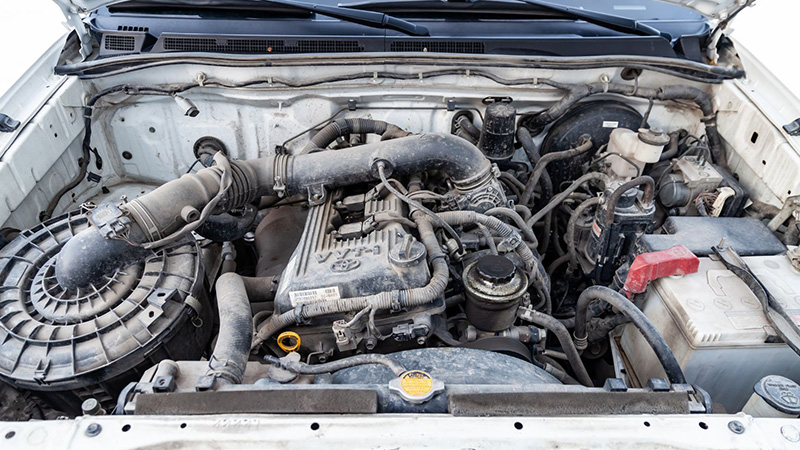
Real-World Applications: Where the 2TR-FE Is Used
The 2TR-FE has appeared in several Toyota utility vehicles, although engine options vary significantly by region and model year.
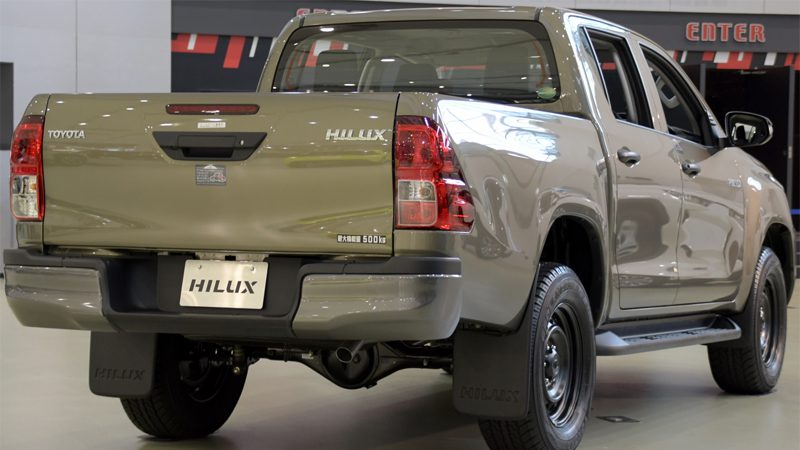
Toyota Hilux
The Hilux is among the best-known 2TR applications. In markets where the 2.7-liter gasoline version is sold, it is used for everyday transport and commercial work, including agriculture, construction support, and deliveries. Its naturally aspirated power is predictable, though heavily loaded pickups may need higher engine speeds than comparable turbo-diesel models.
Toyota Fortuner
Selected Fortuner variants use the 2TR-FE. The engine provides a gasoline option for buyers who prioritize familiar servicing requirements over the higher low-speed torque of a turbo-diesel. Engine and drivetrain configurations differ by market.
Toyota Hiace and Innova
Certain Hiace passenger and commercial vans and regional Innova variants have also used the 2TR-FE. For passenger shuttles and delivery operations, engine condition and regular maintenance can matter more than headline output.
Other Toyota Models
The 2TR-FE has also appeared in selected Tacoma, Land Cruiser Prado, and 4Runner/Hilux Surf configurations. A model name alone cannot establish fitment: verify the exact vehicle year, market, engine version, and required accessories before ordering a replacement.
Toyota 2TR Engine Fuel Consumption
There isn’t one fuel-consumption figure that applies to every 2TR engine. A lightweight two-wheel-drive pickup and a heavier SUV can use the same engine yet deliver quite different results.
As a useful reference, Toyota Australia’s 2020 Hilux specifications show combined consumption of 10.4–11.1 L/100 km for selected 2.7-liter gasoline 4×2 configurations. These are official test-cycle figures for those Hilux models, not a universal rating for the 2TR-FE.
Actual consumption depends on vehicle weight, transmission, traffic, terrain, load, and driving habits. Poor ignition performance, tire issues, or neglected maintenance can make consumption worse. For a commercial fleet, records from comparable vehicles working similar routes offer a more meaningful benchmark than a single brochure figure.
Is the Toyota 2TR-FE Reliable?
The 2TR-FE is generally regarded as a durable engine. Its naturally aspirated layout avoids turbocharger-related components, and the timing-chain system removes the routine belt-replacement requirement found on some engines. That doesn’t make it maintenance-free.
Cooling-system neglect, repeated overheating, or poor lubrication can seriously damage a 2TR-FE. There is also no manufacturer-guaranteed mileage at which an engine should be considered worn out. High-mileage examples exist, but service records, operating conditions, and current engine condition are more useful than any blanket lifespan figure.
For used engines, inspect for oil leaks, signs of overheating, abnormal noise, and evidence of previous repairs. Where applicable, request test information that reflects the actual engine being supplied.
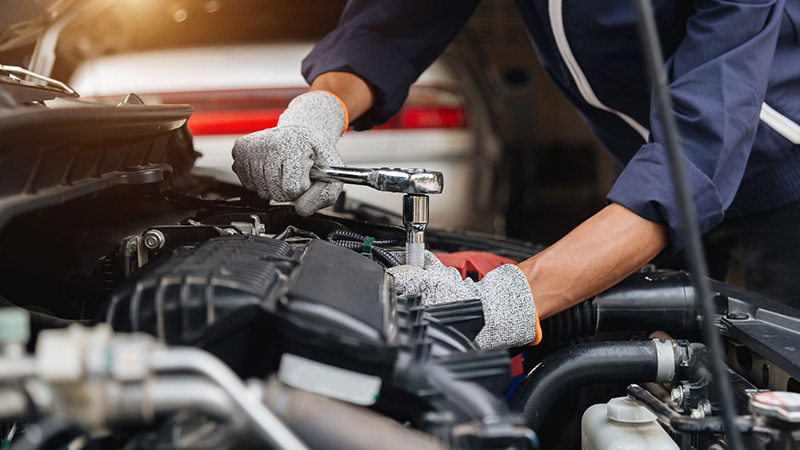
Common Toyota 2TR-FE Engine Problems
Even engines with good reputations have their trouble spots. It’s important to separate a documented model-specific issue from problems that can arise simply because an engine is old or poorly maintained.
Front Crankshaft Oil Seal Leaks
Toyota issued service bulletin EG025-07 for certain 2005–2007 Tacoma vehicles equipped with the 2TR-FE. It addresses oil leakage near the front crankshaft seal and specifies updated seal and pulley components. The bulletin does not mean all 2TR engines have this problem.
Cooling-System Problems and Overheating
Coolant loss, a restricted radiator, water-pump wear, or thermostat problems can lead to overheating. If engine temperature repeatedly rises or coolant disappears, diagnose the cooling system promptly. Continuing to drive an overheating engine risks damage to the head gasket and cylinder head.
Rough Idle or Misfires
An uneven idle or hesitation may come from worn spark plugs, faulty coils, an intake leak, or fuel-delivery problems. Checking trouble codes and testing the relevant systems is more reliable than guessing which part to replace.
Timing-Chain or VVT-i-Related Noise
The timing chain is designed for long service, but guides, tensioners, and valve-timing components can still wear or malfunction. Unusual rattling or timing-related fault codes call for inspection; the chain itself isn’t always the cause.
Increased Oil Consumption
A higher-mileage 2TR-FE may consume more oil because of internal wear, valve-seal problems, crankcase-ventilation issues, or leaks. Measure consumption and investigate the cause before concluding that the engine needs rebuilding or replacement.
Toyota 2TR-FE Maintenance Tips
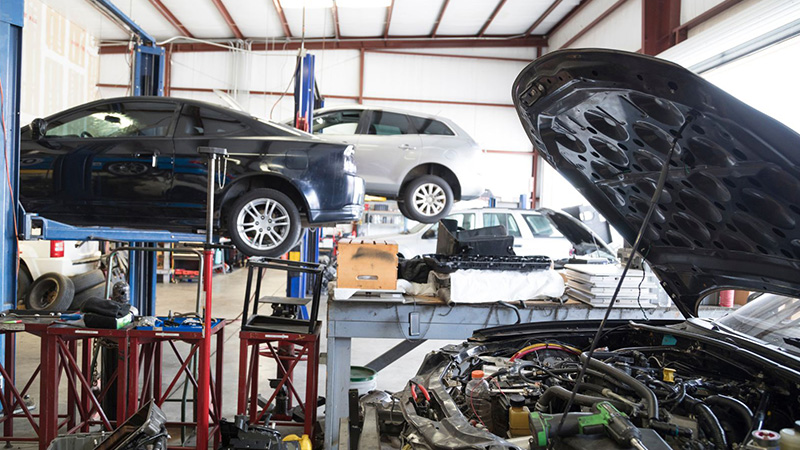
The best way to keep a 2TR in service is also the least glamorous: consistent oil changes, attention to the cooling system, and timely diagnosis when something sounds or feels wrong.
Use the oil grade, capacity, and service interval specified for the particular vehicle and market. Check coolant condition, hoses, radiator, water pump, ignition components, filters, and drive belts as part of routine servicing. Dusty roads, prolonged idling, and heavy loads may call for additional attention under the vehicle’s severe-service guidance.
The timing chain doesn’t usually have a routine replacement interval, but unusual startup or running noise should not be ignored. For fleets, a clear service history is particularly valuable when deciding whether to repair or replace an engine.
Toyota 2TR vs. Other Toyota Engines
Buyers sometimes compare the 2TR with the related 1TR or the older 3RZ, especially when sourcing replacement engines for mixed fleets.
| Feature | Toyota 1TR-FE | Toyota 2TR-FE |
|---|---|---|
| Displacement | 2.0L | 2.7L |
| Layout | Inline-four gasoline | Inline-four gasoline |
| Valve train | DOHC, 16 valves | DOHC, 16 valves |
| Timing drive | Timing chain | Timing chain |
| General difference | Smaller displacement | Greater displacement and typically more torque in comparable versions |
The 1TR-FE may suit lighter-duty vehicles and may use less fuel in some like-for-like applications. The 2TR-FE offers additional displacement and generally more torque, which can be useful with passengers or cargo. Vehicle weight, gearing, and transmission still influence both performance and fuel economy.
The older 3RZ-FE is another 2.7-liter four-cylinder, but it belongs to a different engine family and doesn’t use VVT-i. Despite the similar capacity, a 3RZ-to-2TR conversion isn’t a simple drop-in replacement in every vehicle. Mounts, wiring, sensors, ECU, and other systems may require changes.
The Global Market for 2TR Replacement Engines
The 2TR-FE’s use across Toyota pickups, SUVs, and vans makes it relevant to repair networks and parts distributors in several regions. Buyers in Africa, the Middle East, Southeast Asia, and Latin America may encounter different 2TR configurations depending on which vehicles were originally sold or imported locally.
For a distributor, the practical question isn’t just whether customers ask for a “2TR engine.” It’s which version they need and whether the replacement includes the components their workshops expect. Keeping clear application information and ordering the correct assembly helps reduce returns and delays.
What to Look for When Sourcing 2TR Engines
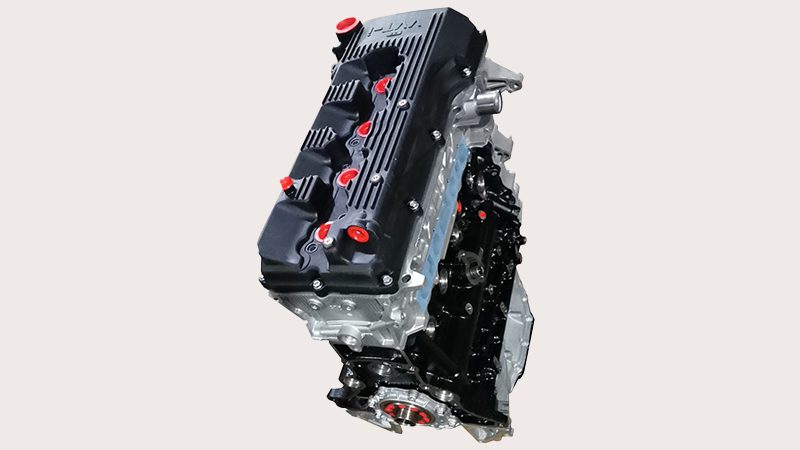
If you’re buying for resale, fleet replacement, or workshop supply, start with the exact application. An engine code alone may leave important compatibility questions unanswered.
Confirm version and fitment. Ask for the vehicle model, year, VIN or original engine number, and whether it uses VVT-i or Dual VVT-i. Check the ECU, sensors, throttle system, wiring, and engine mounts where relevant.
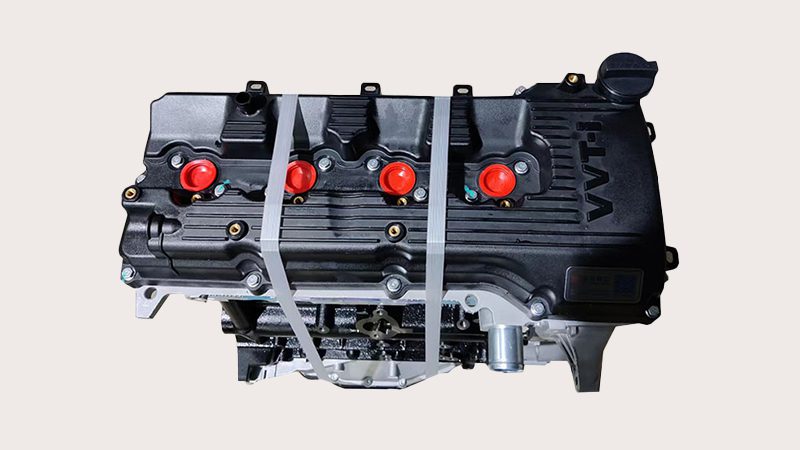
Clarify the assembly. A short block, long block, and complete engine do not include the same parts. The exact contents vary by supplier, so request a detailed component list instead of relying only on the label.
Review condition and inspection records. For a used or rebuilt engine, ask about wear, damage, testing, and repair history. For a new replacement engine, verify the supplier’s stated inspection and pre-shipment procedures. Compression figures alone should not be judged against one universal pressure threshold; use the correct service specifications and testing conditions.
Confirm commercial terms. Discuss warranty coverage, packing, order quantity, shipping method, and delivery terms before placing a wholesale order. These details can affect landed cost just as much as the unit price.
Toyota 2TR Replacement Engines from TUOLAN TRADE
At Nanjing Tuolan International Trading Co., Ltd., we supply replacement engines and engine components to wholesalers, distributors, repair networks, and other professional buyers worldwide.
Our Toyota range includes the 2TR alongside other gasoline and diesel engine models. We help buyers check specifications, discuss assembly requirements, and coordinate export packaging and freight arrangements.
Our complete replacement engines carry a one-year warranty, subject to the applicable warranty terms. Available 2TR assembly configurations, included accessories, and inspection documentation should be confirmed in the quotation.
If you’re sourcing Toyota 2TR engines for wholesale distribution or commercial replacement, contact our export team to discuss your required version, quantity, and destination market.
FAQ
Which vehicles use the Toyota 2TR engine?
Selected versions of the Toyota Hilux, Tacoma, Fortuner, Hiace, Innova, Land Cruiser Prado, and certain 4Runner/Hilux Surf models have used the 2TR-FE. Fitment depends on production year and market.
Is the Toyota 2TR reliable for long-distance fleet use?
It has a generally strong reputation for durability when properly maintained. Cooling-system condition, lubrication, service history, and operating loads have a major influence on long-term reliability.
How much fuel does a Toyota 2TR engine use?
Selected Australian-market 2020 Hilux 2.7-liter gasoline configurations have published combined ratings of 10.4–11.1 L/100 km. Other vehicles and real-world conditions can differ.
Can a 2TR replace an older 3RZ engine?
A conversion may be possible, but these engines are not universally interchangeable. Mounting, wiring, ECU, sensors, and related systems must be checked.
Does a 2TR-FE use a timing belt or timing chain?
It uses a timing chain. There is normally no fixed routine belt-replacement interval, but chain-system components can still wear or fail.
What should wholesale buyers confirm before ordering?
Check the exact engine version, assembly contents, vehicle compatibility, inspection information, warranty terms, and shipping arrangements.
Conclusion
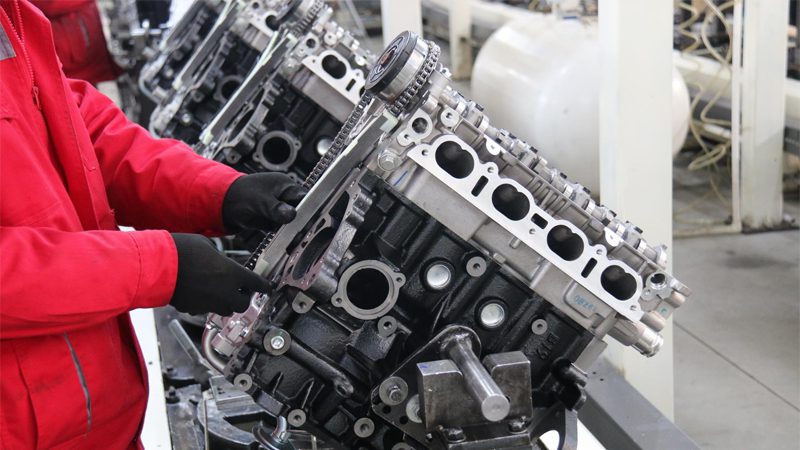
The Toyota 2TR-FE has earned its place in Toyota’s utility-vehicle lineup through a straightforward design and wide range of applications. It can be a sensible choice for owners, fleets, and repair businesses, provided its maintenance needs and version differences are understood.
For importers and distributors, buying the right 2TR means more than matching a nameplate. TUOLAN TRADE can assist with replacement-engine specifications, wholesale inquiries, and international shipping requirements.