
Choosing which replacement engines to stock isn’t always straightforward. The same vehicle model may use different engines depending on its production year, market, and configuration. For importers, ordering the wrong version can lead to slow-moving inventory, compatibility problems, and unnecessary costs.
Understanding engine families and their associated engine codes can make these decisions easier. It helps distributors identify related engines, compare vehicle applications, and narrow down the products worth sourcing.
In this guide, we’ll look at 10 engine families commonly found in passenger cars, pickups, SUVs, and commercial vehicles, along with what importers should consider before adding them to their inventory.
What Is an Engine Family?
An engine family is a group of related engine designs developed by a manufacturer. Engines within the same family generally share certain engineering characteristics, but they may differ in displacement, fuel systems, components, and vehicle applications.
Take Toyota’s KD diesel family, for example. It includes the 1KD-FTV 3.0L and 2KD-FTV 2.5L. Although both belong to the same family, they have different specifications and are not automatically interchangeable.
For replacement engine importers, recognizing these distinctions helps with product identification, catalog organization, and supplier communication.
The key is to remember that an engine family is only a starting point. The exact engine code and configuration must still be confirmed before an order is placed.
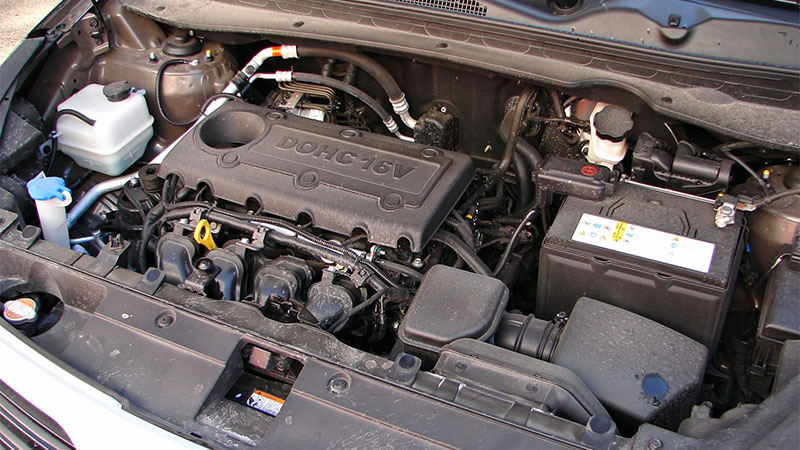
10 Engine Families Worth Knowing in the Replacement Engine Market
The following families cover a range of vehicle segments and aftermarket applications. They are useful examples for inventory research, not a ranking of the world’s best-selling replacement engines.
| Engine Family | Representative Codes | Common Applications |
|---|---|---|
| Toyota TR | 1TR-FE, 2TR-FE | Hiace, Hilux, Fortuner |
| Toyota KD | 1KD-FTV, 2KD-FTV | Hilux, Fortuner, Prado, Hiace |
| Toyota GR | 1GR-FE, 2GR-FE | Prado, Tacoma, Camry, Highlander |
| Toyota AZ | 1AZ-FE, 2AZ-FE | Camry, RAV4, Avensis |
| Toyota NZ | 1NZ-FE, 2NZ-FE | Yaris, Vios, Echo |
| Nissan QR | QR20DE, QR25DE | X-Trail, Altima, Rogue |
| Nissan YD | YD22DDT, YD22DDTi, YD25DDTi | Navara, Frontier, selected diesel passenger cars |
| Hyundai/Kia Theta II | G4KD, G4KE | Sonata, Tucson, Sportage, Santa Fe |
| Hyundai/Kia Gamma | G4FA, G4FC, G4FG | Accent, Rio, i20, Elantra |
| Isuzu 4J Series | 4JA1, 4JB1, 4JJ1 | Isuzu pickups and light commercial vehicles |
Vehicle applications vary by production year, regional specification, and engine variant. This table is a general reference, not a compatibility chart.
1. Toyota TR Family: Petrol Engines for Pickups and Commercial Vehicles
The Toyota TR family includes four-cylinder petrol engines used in pickups, vans, and SUVs.
Two familiar members are the 1TR-FE 2.0L and 2TR-FE 2.7L. The 2TR-FE, in particular, has appeared in Toyota Hilux, Hiace, and Fortuner models across various markets.
While the TR engines share certain design features, their specifications can vary. Fuel systems, engine management, and supporting components may differ between production years and applications.
For distributors serving Toyota pickup and commercial-vehicle repair markets, the TR family is worth investigating. The important question is which versions local customers actually need, rather than whether the family itself is widely recognized.
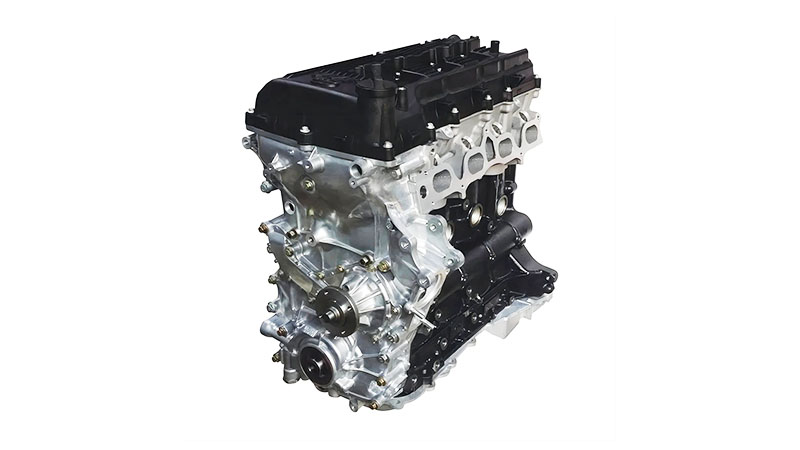
2. Toyota KD Family: Diesel Engines for Pickups and SUVs
Toyota’s KD family includes the 1KD-FTV 3.0L and 2KD-FTV 2.5L, both turbocharged common-rail diesel engines.
These engines have been used in selected Toyota Hilux, Fortuner, Prado, and Hiace models. Their presence in pickups and utility vehicles makes them relevant to distributors supplying diesel repair markets.
Beyond displacement, the two engines can differ in fuel-injection equipment, emissions-related components, and vehicle-specific configurations.
Importers should therefore evaluate the 1KD-FTV and 2KD-FTV separately. A market with regular 1KD-FTV replacement requests may not have the same demand for the smaller 2KD-FTV.
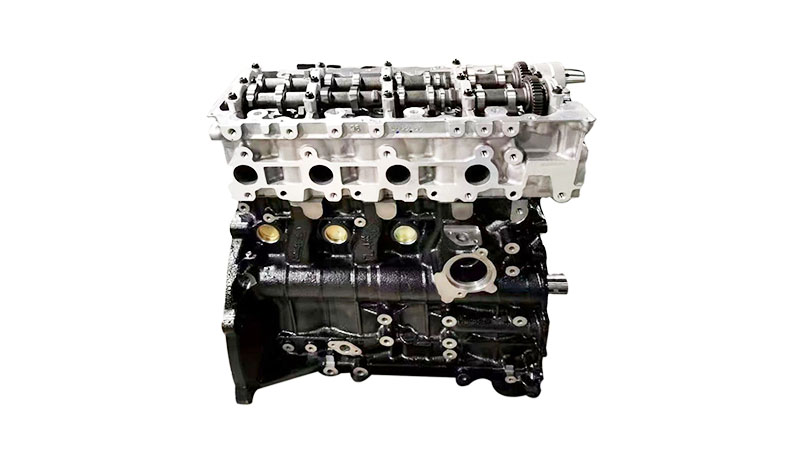
3. Toyota GR Family: V6 Engines for SUVs and Passenger Cars
Toyota’s GR family covers several V6 petrol engines used in pickups, SUVs, and passenger vehicles.
Two well-known examples are:
- 1GR-FE 4.0L: Found in selected Toyota Prado, Tacoma, 4Runner, and FJ Cruiser models.
- 2GR-FE 3.5L: Used in various Toyota and Lexus vehicles, including selected Camry and Highlander models.
Despite sharing the GR designation, these engines have different applications and configurations.
A distributor serving Toyota SUV and pickup repair networks may be more interested in the 1GR-FE, while passenger-car specialists may encounter more requests for other GR variants. Neither should be stocked based on the family name alone.
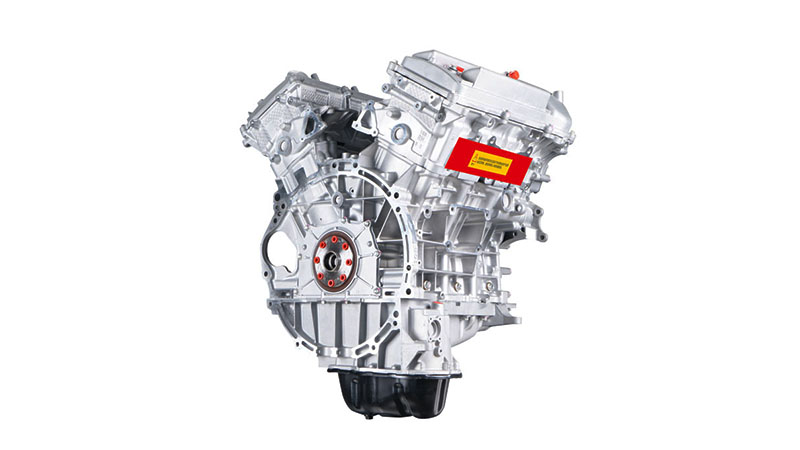
4. Toyota AZ Family: Petrol Engines for Passenger Cars and SUVs
The Toyota AZ family includes the 1AZ-FE 2.0L and 2AZ-FE 2.4L, both associated with earlier generations of Toyota passenger cars and compact SUVs.
These engines have appeared in selected Toyota Camry, RAV4, and Avensis models, depending on the production year and market.
Certain 2AZ-FE applications have also been associated with excessive oil consumption. Toyota issued service information covering affected vehicles and engine versions, so importers should pay attention to relevant production revisions when evaluating replacement requirements.
For markets where older Toyota vehicles remain in regular use, the AZ family may still be worth considering. Reviewing actual customer inquiries can help determine whether the 1AZ-FE, 2AZ-FE, or both deserve warehouse space.
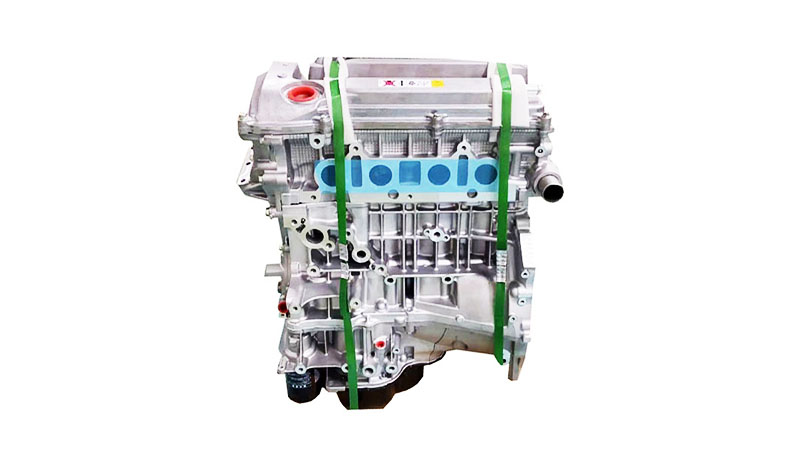
5. Toyota NZ Family: Small Petrol Engines for Compact Cars
Toyota’s NZ family includes smaller petrol engines used in compact passenger vehicles.
The 1NZ-FE 1.5L and 2NZ-FE 1.3L have appeared in various Toyota Yaris, Vios, Echo, and related models.
The broader family also includes the 1NZ-FXE, a variant developed for hybrid applications. It should not be confused with conventional petrol versions simply because the engine codes look similar.
NZ-family engines may interest distributors supplying compact-car repair shops. However, smaller displacement doesn’t necessarily mean faster stock turnover. Local order frequency, pricing, and customer requirements should guide purchasing decisions.
6. Nissan QR Family: Petrol Engines for Sedans and SUVs
The Nissan QR family consists of four-cylinder petrol engines used in passenger cars and crossovers.
The QR20DE 2.0L has appeared in models such as the Nissan X-Trail, while the QR25DE 2.5L has been used in selected X-Trail, Altima, and Rogue vehicles.
One detail importers should pay attention to is the QR25DE’s long production history. Although the basic engine code remained recognizable, components and specifications changed across vehicle generations.
For distributors receiving QR25DE inquiries, identifying the customer’s vehicle generation is an important first step. It helps narrow down the correct configuration and prevents inventory from being built around an engine code that covers several different applications.
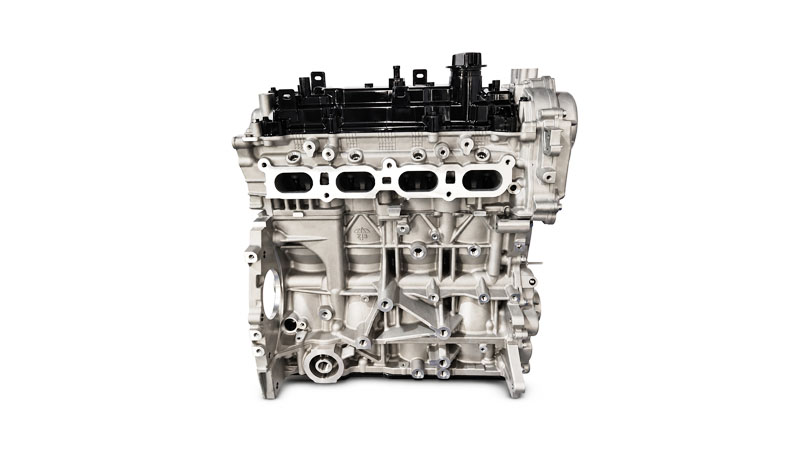
7. Nissan YD Family: Diesel Engines for Pickups and Commercial Vehicles
The Nissan YD family includes several four-cylinder diesel engines, particularly the 2.2L YD22 and 2.5L YD25 series.
Representative versions include the YD22DDT, YD22DDTi, and YD25DDTi. The YD25 has been used in selected Nissan Navara and Frontier diesel pickups, while YD22 variants have appeared in passenger vehicles such as the Primera and Almera.
These engines vary in fuel-injection systems, turbocharging arrangements, electronic controls, and other application-specific components.
That distinction matters when a customer asks for a “Navara 2.5 diesel engine.” The description may sound specific, but the model year, engine identification, and configuration are still needed to confirm the correct replacement.
For Nissan diesel specialists, precise YD25 identification is often more useful than a broad family-level product listing.
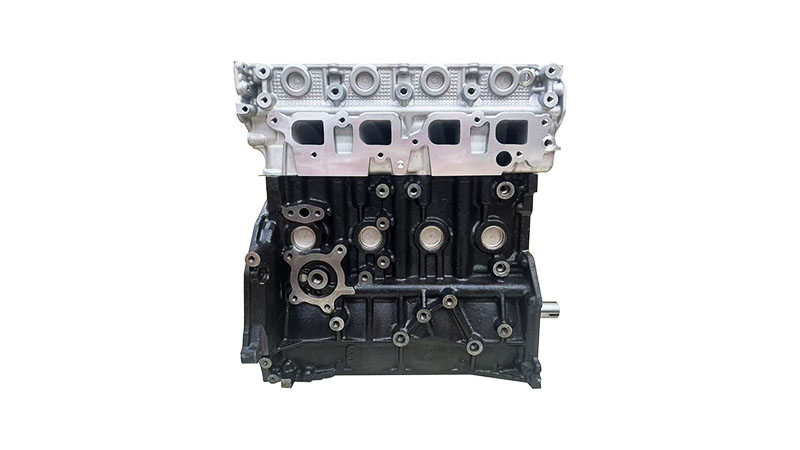
8. Hyundai/Kia Theta II Family: Petrol Engines for Sedans and SUVs
The Hyundai/Kia Theta II family includes several four-cylinder petrol engines used in sedans, SUVs, and crossovers.
Two representative codes are the G4KD 2.0L and G4KE 2.4L, found in selected Hyundai Sonata, Tucson, and Santa Fe models, as well as Kia Sportage applications.
The broader Theta II family also includes direct-injection and turbocharged variants. These can differ considerably from the naturally aspirated, port-injected versions.
Certain Theta II applications have been subject to engine-related recalls or service campaigns in some markets. The affected vehicles and programs depend on the model, engine variant, production year, and region.
For importers, the main consideration is correct identification. A G4KD, G4KE, or another Theta II variant should be evaluated against its specific application rather than treated as a universal replacement within the family.
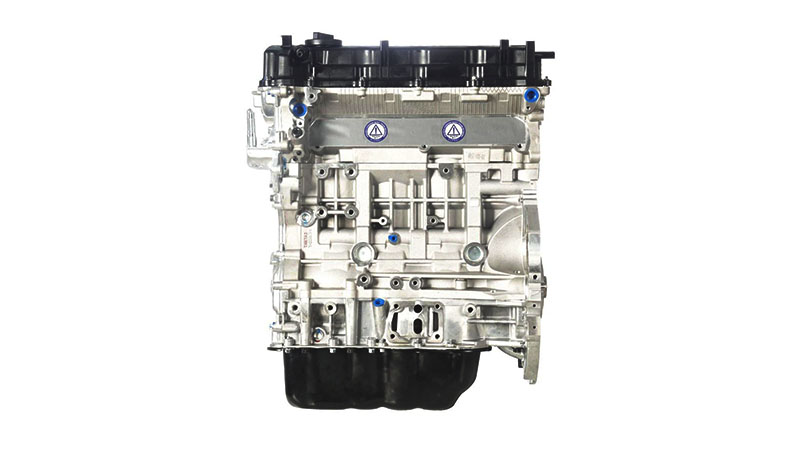
9. Hyundai/Kia Gamma Family: Small Petrol Engines for Compact Cars
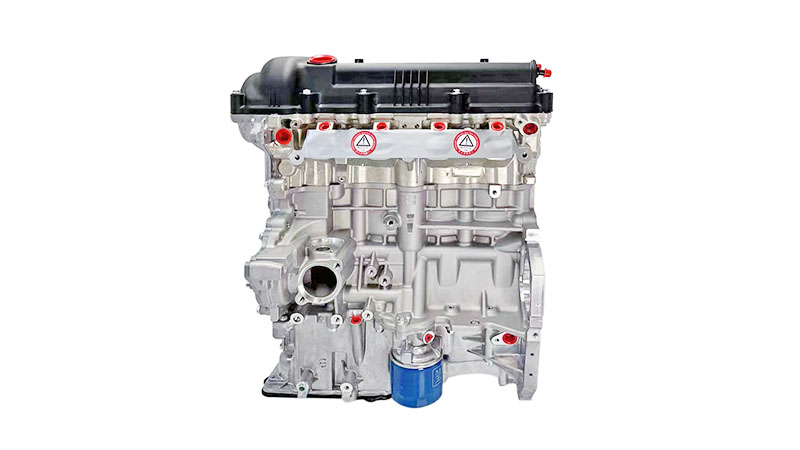
The Hyundai/Kia Gamma family includes petrol engines commonly used in compact passenger vehicles.
Representative models include the G4FA 1.4L, G4FC 1.6L, and G4FG 1.6L. Depending on the market and generation, they have appeared in vehicles such as the Hyundai Accent, i20, i30, and Elantra, as well as the Kia Rio.
The G4FC and G4FG are both 1.6L engines, but their specifications and configurations differ. Matching displacement alone is not enough to confirm replacement compatibility.
For distributors working with Hyundai and Kia repair shops, the Gamma family offers several models to investigate. Rather than stocking every variant, buyers can start with the engine codes that appear most frequently in local customer requests.
10. Isuzu 4J Series: Diesel Engines for Commercial Applications
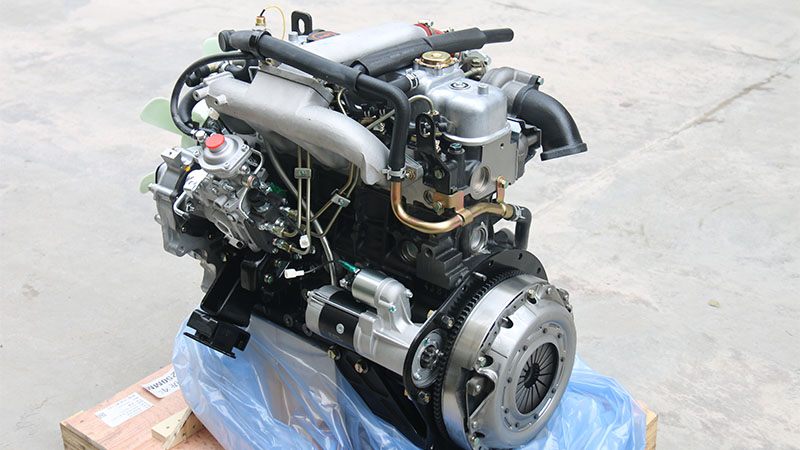
Isuzu’s broader 4J-series naming lineage includes diesel engines used in pickups, light commercial vehicles, and industrial applications.
Among the recognizable examples are the 4JA1 2.5L, 4JB1 2.8L, and 4JJ1 3.0L.
The 4JA1 and 4JB1 are older diesel designs, while the later 4JJ1 uses more modern technology, including common-rail fuel injection in its automotive applications.
Although their names share the same prefix, these engines belong to different generations and have substantially different specifications.
Importers supplying commercial-vehicle markets should distinguish demand for older diesel configurations from demand for newer electronically controlled engines. The vehicles serviced by local workshops will help determine which models are worth sourcing.
How Should Importers Prioritize Engine Families?
Not every engine family deserves a place in every distributor’s warehouse.
A widely used engine may generate relatively few replacement orders in one market, while an older model may continue selling steadily in another. The difference often comes down to which vehicles remain on the road and how local repair businesses operate.
Before building inventory, importers should review customer inquiries, local vehicle populations, repair activity, and expected stock turnover.
| Market Segment | Families Worth Investigating | Main Consideration |
|---|---|---|
| Pickups and commercial vehicles | Toyota TR, KD; Nissan YD; Isuzu 4J | Fleet population and repair demand |
| Passenger cars and crossovers | Toyota AZ; Nissan QR; Hyundai/Kia Theta II | Vehicle age and replacement requirements |
| SUVs and larger petrol engines | Toyota GR; Hyundai/Kia Theta II | Local applications and engine configurations |
| Compact passenger cars | Toyota NZ; Hyundai/Kia Gamma | Order frequency and price sensitivity |
These are suggested research categories, not verified sales rankings.
A practical approach is to begin with a manageable selection of engine codes supported by real customer requests. Once sales patterns become clearer, distributors can expand their product range without tying up too much capital in unfamiliar inventory.
Rather than trying to cover every engine in a manufacturer’s catalog, focus on the versions your customers are most likely to order.
What Should Importers Verify Before Ordering Replacement Engines?
Finding the right engine family is only the beginning. Even engines with identical codes can have differences that affect installation and compatibility.
Before confirming a wholesale order, check the following:
- Engine code: Confirm the exact designation, including any relevant variant or revision.
- Vehicle application: Identify the model, production year, generation, and regional specification.
- Technical configuration: Check fuel systems, mounting arrangements, and other application-specific components.
- Product scope: Clarify whether the order is for a long block, another partial assembly, or a more complete engine assembly.
- Supplier details: Review inspection procedures, included components, warranty terms, packaging, and delivery arrangements.
A VIN can help identify the original vehicle specification, but it may not provide every detail needed to select a replacement engine.
For bulk orders, ask the supplier for clear product photographs, identification markings, and relevant technical specifications before shipment. Resolving compatibility questions early is far easier than dealing with incorrect engines after they arrive.
FAQ
What is the difference between an engine family and an engine code?
An engine family groups related engine designs, while an engine code identifies a more specific engine design or version. For example, Toyota KD is an engine family, while 1KD-FTV and 2KD-FTV are individual engine codes with different specifications.
Can engines from the same family be interchangeable?
Not necessarily. Engines within the same family may differ in displacement, fuel systems, mounting arrangements, and electronic controls. Confirm the exact specifications and vehicle application before treating one engine as a replacement for another.
How should importers choose engine families for their inventory?
Start with the engine codes customers request most often. Local vehicle populations, repair-shop demand, previous sales, and inventory turnover can help identify suitable products. A smaller range built around verified demand is generally more useful than a broad catalog based on worldwide popularity.
How can importers confirm the correct engine before ordering?
Check the original engine code, vehicle model, production year, and regional specification. When necessary, compare engine identification markings, manufacturer documentation, and the supplier’s product specifications before confirming the order.
Conclusion
Understanding engine families gives importers a better foundation for selecting replacement engines and planning inventory. It helps narrow down product options, but the final decision should always come down to the exact engine code, vehicle application, and local customer demand.
A focused inventory built around verified requirements is more useful than a large collection of engines chosen simply because their family names are familiar.
About Us
At Nanjing Tuolan International Trading Co., Ltd., we supply aftermarket replacement engines, cylinder heads, crankshafts, and other engine components to international importers and distributors.
Planning your next wholesale engine order? Contact TUOLAN TRADE with your target engine codes, destination market, and estimated quantities. Our team can help you explore suitable products and wholesale sourcing options.